
Key facts: Walnut Creek Estates
- Listing records for homes in Walnut Creek Estates show build years from 1984 to 1995 [1][2].
- North Texas spring storms often bring hail that can damage roofs and lead to leaks in later rains.
- Drying wet materials within 24 to 48 hours helps prevent mold [3].
- Homes built before 1978 may contain lead-based paint, and some materials from the late 1970s and early 1980s can contain asbestos [4][5].
Covered area
Covered area
Calls from Walnut Creek Estates can be connected to an independent restoration contractor serving Mansfield.
- ZIP 76063Walnut Creek Estates and nearby established streets around Walnut Creek Country Club.
- HousingMostly single-story and some two-story brick homes from the 1980s and 1990s, on slabs, with attached garages.
- OwnershipDecades of separate upkeep mean each house has its own mix of original and replaced parts.
About the area
An established subdivision near the club
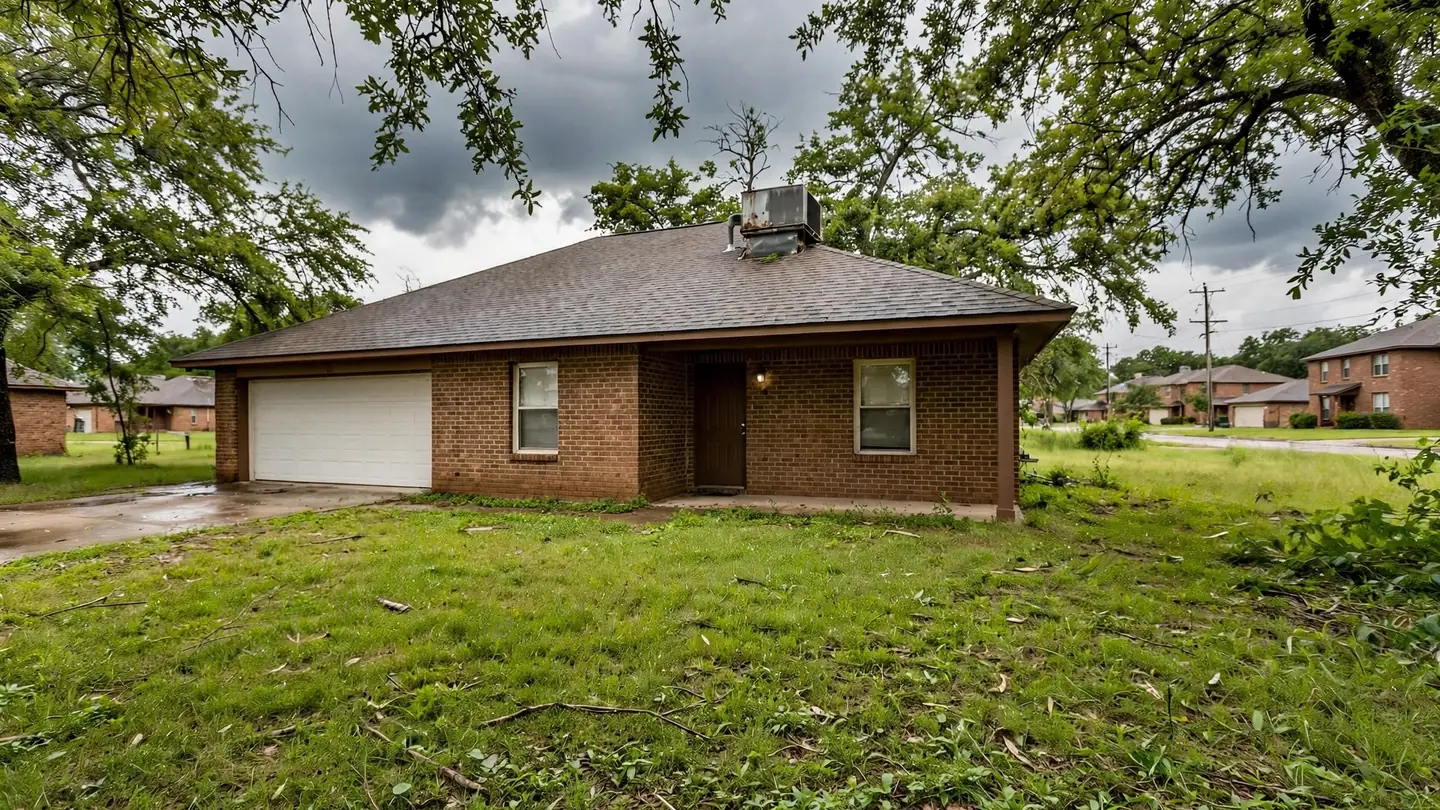
Walnut Creek Estates sits among the older golf-course neighborhoods in central Mansfield. Listing records show homes built from the mid-1980s into the mid-1990s [1][2]. After thirty or forty years of separate ownership, there is no single maintenance history for the street. Some houses have new roofs, windows and plumbing; others still have original components.
For water damage, that variety matters. Two houses side by side can face very different risks: one with a new roof and tankless water heater, the next with a twenty-year-old roof and an original-era water heater location in the garage. A contractor will ask about the age of the roof, water heater and HVAC early, because the answers point toward the likely source.
Many homes here have been owned by the same families for decades. Others are rentals or recently bought homes being updated. In every case, knowing what has been replaced and when makes it easier to prevent the next leak.
Local problems
Where water damage starts in 1980s-era homes
Aging roofs
Shingles near the end of their life crack, curl and lose granules. Hail speeds that up, and leaks appear at valleys, vents and chimneys.
Garage water heaters
Tank heaters wear out. Rust at the base or a dribble from the relief valve can turn into a sudden failure.
Attic ducts and air handlers
Ducts and air handlers in hot attics sweat in summer. Clogged drain lines overflow onto ceilings.
Original windows
Older aluminum windows can let wind-driven rain in at the frame, wetting the wall beneath.
Supply lines and valves
Rubber washer hoses, toilet supply lines and old angle stops fail with age.
Do-it-yourself repairs
Past homeowner repairs to plumbing or roofs may not have been done to the standard of a licensed trade.
Roofs
Roofs, hail and slow leaks
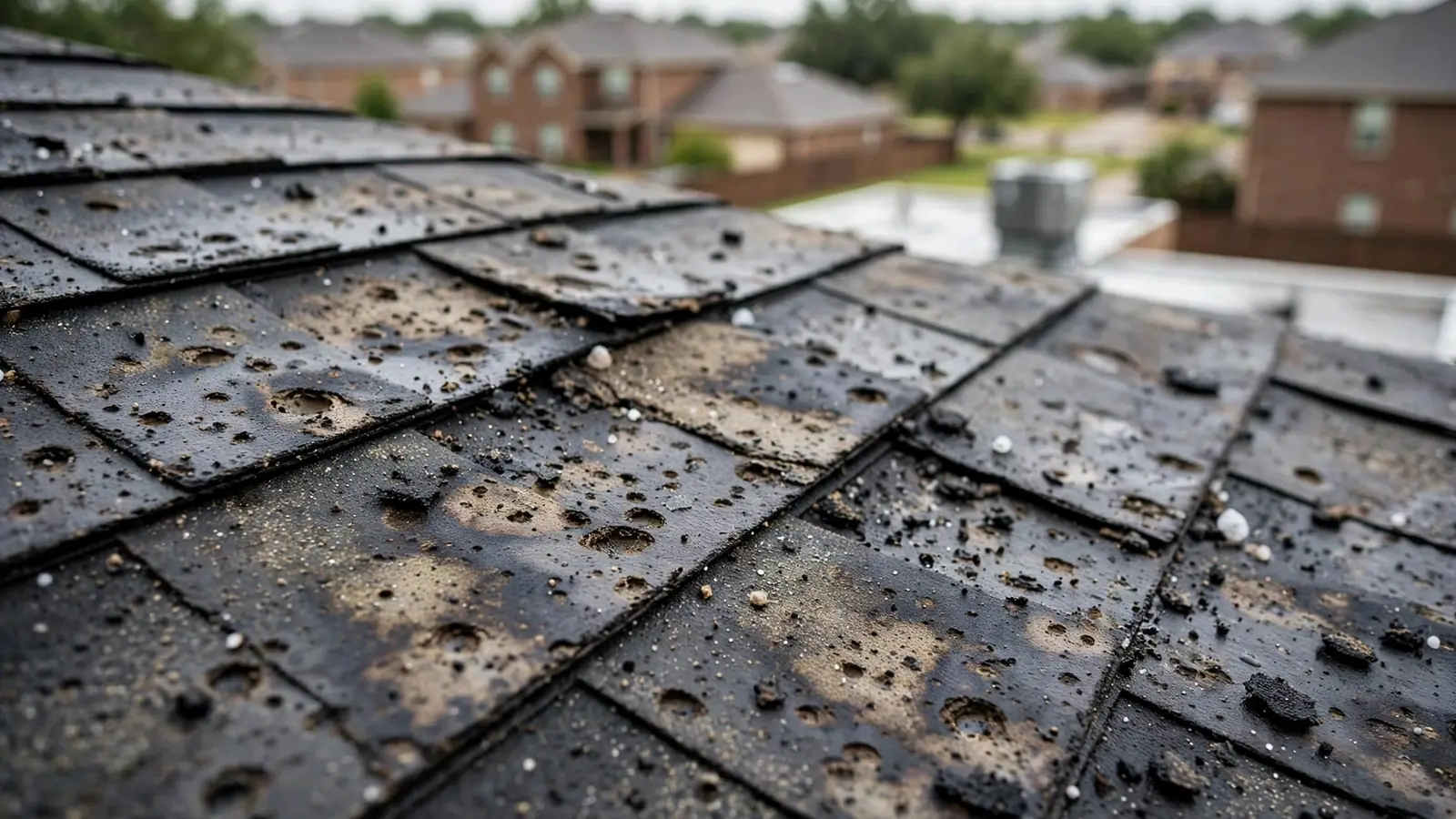
North Texas sits in one of the most hail-prone parts of the country, and spring storms here regularly bring hail large enough to bruise or crack shingles. Damage is not always obvious from the ground. A roof can look fine and then leak in the next heavy rain, weeks after the storm that caused the damage.
Roof leaks in a single-story home usually show as a stain on the ceiling, often near a vent pipe, a valley where two roof planes meet or a chimney. By the time the stain appears, the insulation above has been soaking up water for a while. Drying the ceiling means pulling back or removing that wet insulation, drying the drywall and, if needed, replacing a section.
If your street was hit by hail, check the attic with a flashlight after the next rain, looking for damp insulation or drips around roof penetrations. Catching a leak early keeps the damage to a small patch.
Water heaters
Garage water heaters
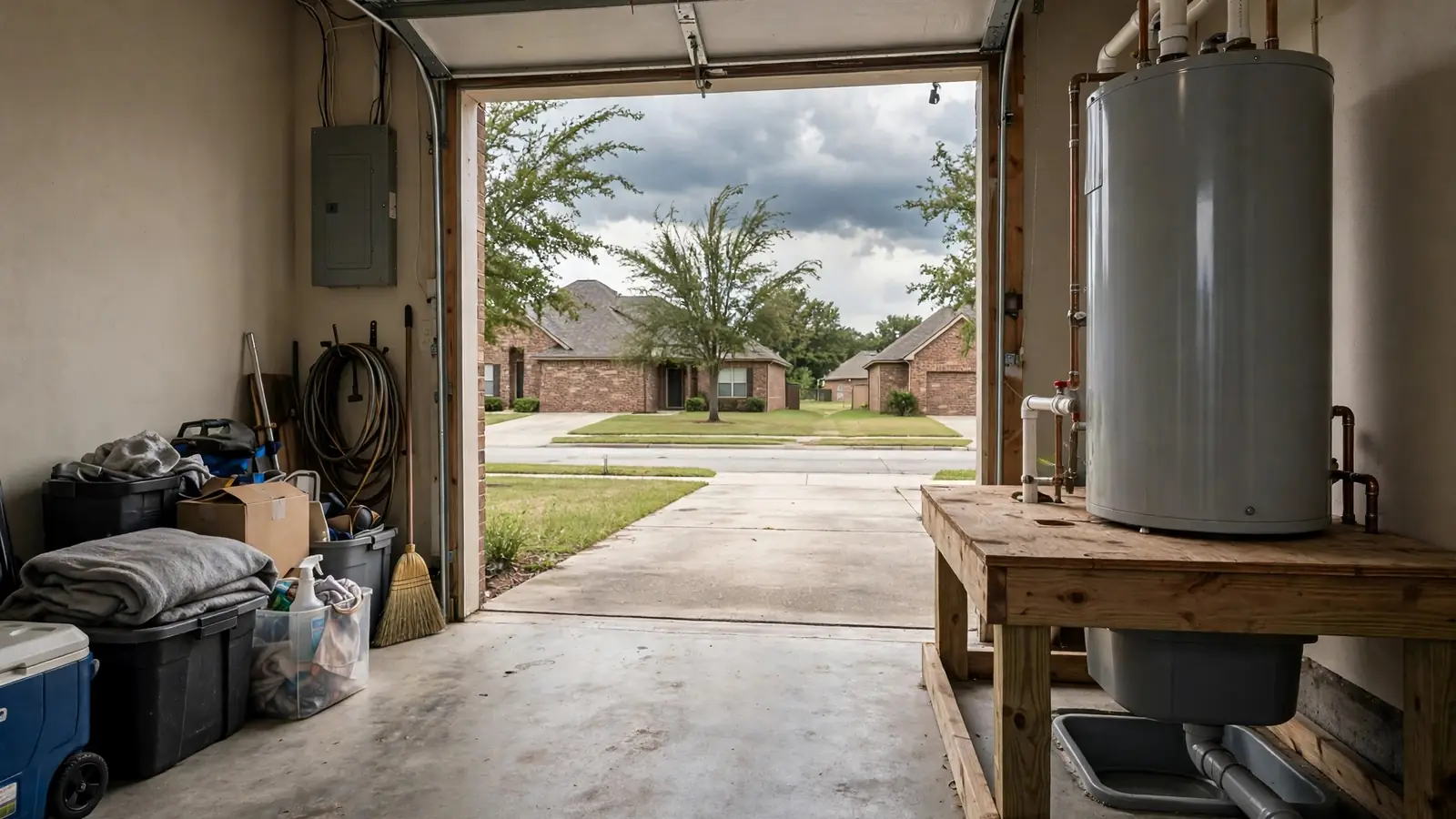
In many homes of this age the water heater sits on a platform in the garage, sometimes with the furnace or air handler nearby. A tank that fails can empty itself onto the garage floor and keep refilling from the supply line until the water is shut off.
The garage floor itself is usually fine; concrete dries. The problem is the wall shared with the house and anything stored on the floor. Water can wick into the drywall on the house side and into carpet in the room behind. If the water heater platform is wood, it may have soaked up water over years of small drips and need replacing.
Signs a tank is near the end include rust on the outside or at the connections, rusty hot water, rumbling noises and moisture around the base. Check the label for its manufacture date. A drain pan and leak sensor under the tank give warning before a small drip becomes a flood.
Assessment
How a contractor assesses damage in these homes
- 1
Ask about ages
Roof, water heater, HVAC and plumbing ages help point to the source.
- 2
Trace the water
Ceiling stains are traced to the attic; floor water is traced to fixtures or the garage.
- 3
Check the attic
Wet insulation, duct condensation and HVAC drain pans are inspected.
- 4
Map walls and floors
Meters find the full extent of wet drywall and flooring.
- 5
Note older materials
Textures, floor tiles and mastic that might contain asbestos are flagged for testing before disturbance [5].
- 6
Document
Photos and readings are recorded for your insurer.
Diagnosis
Common sources and how they are handled
| Source | Where it shows | Usual handling |
|---|---|---|
| Hail-damaged roof | Ceiling stain, wet attic insulation | Roof repair; remove wet insulation; dry ceiling |
| Garage water heater | Garage floor, shared wall, room behind | Replace heater; dry wall and adjoining flooring |
| Attic air handler drain | Ceiling stain under the unit | Clear drain; dry ceiling and insulation |
| Window frame leak | Damp wall and carpet under a window | Seal or replace window; dry wall cavity |
| Washer hose burst | Laundry room and adjoining rooms | Replace hose; extract and dry |
| Toilet supply line | Bathroom floor, hallway carpet | Replace line; dry floor and wall bottoms |
Attic HVAC
Attic ductwork and summer condensation
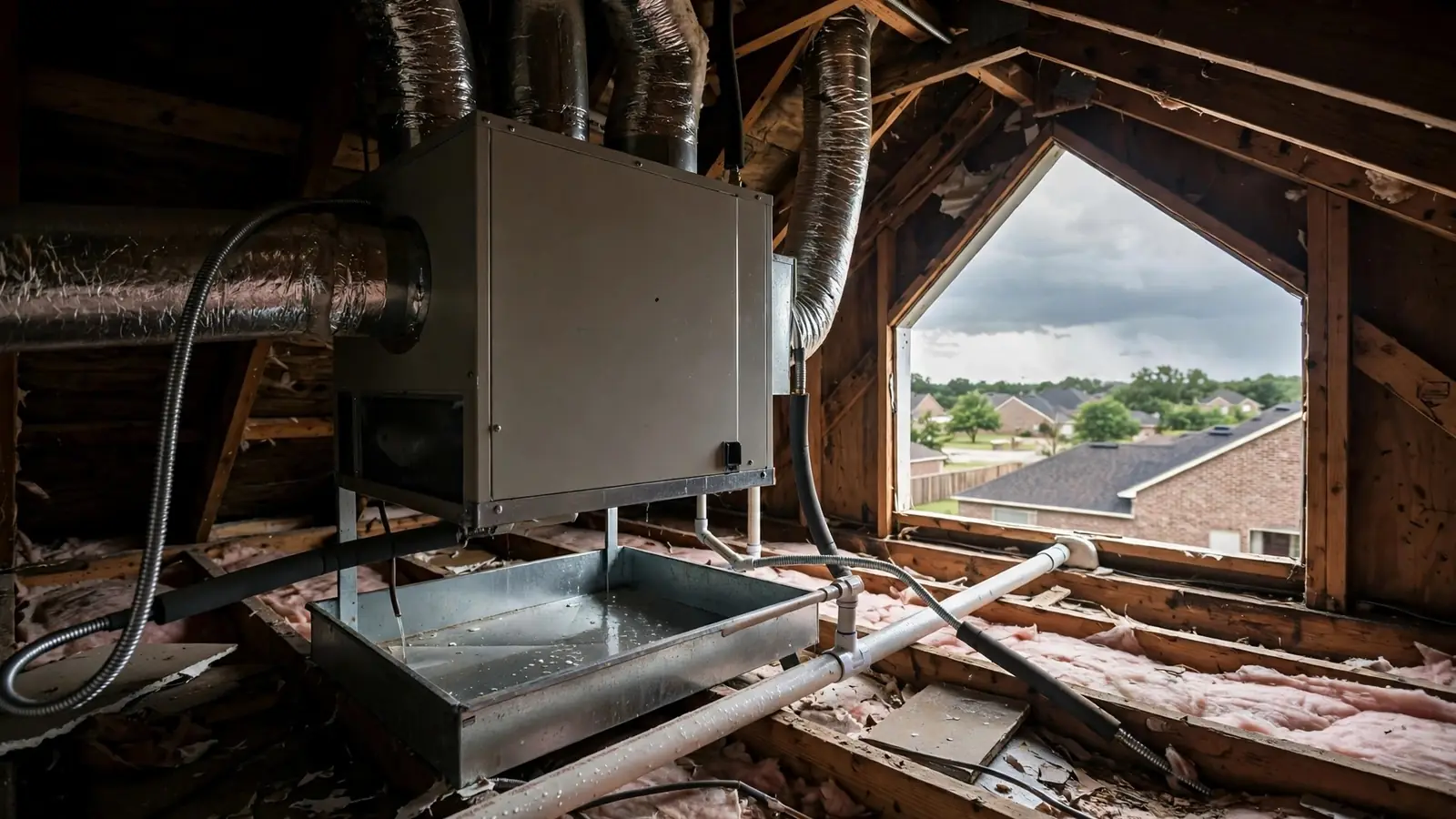
In many 1980s-era Mansfield homes, the air handler and ducts are in the attic, where summer temperatures can be extreme. Cold ducts in a hot, humid attic collect condensation on their outside if the insulation wrap is damaged or missing. That water drips onto attic insulation and eventually stains the ceiling.
The air handler also produces condensate that drains through a line to the outside or a drain. If algae or debris clog that line, the overflow pan fills. Some systems have a float switch that shuts off cooling when the pan fills; older systems may not, and the pan overflows onto the ceiling.
A ceiling stain that appears during summer and dries in winter is a strong hint the cause is HVAC rather than the roof. Have the drain line cleared and the duct insulation checked before drying the ceiling, or it will happen again.
Windows
Original windows and wind-driven rain
Some homes in the subdivision still have original aluminum windows. Over time, the seals and weep holes in these frames can fail, and wind-driven rain during storms finds its way into the wall below the window. The first sign is often a damp carpet edge or swollen baseboard right under the sill.
Water entering this way wets the inside of the wall cavity, so the drywall may need small holes or a section removed to dry it. Fixing the window seal or replacing the window stops it happening again.
The job
How cleanup and drying are done
Once the source is fixed, the contractor removes standing water and any wet insulation or pad, takes off baseboards in the affected areas and sets drying equipment. Ceilings with wet insulation above often need the insulation removed from the attic side before the drywall can dry.
Before cutting or sanding older textured ceilings, vinyl tiles or flooring adhesives, the contractor may suggest asbestos testing. Paint older than 1978 may also contain lead, though most homes built after 1978 will not [4][5].
Drying usually takes a few days with daily readings. When readings reach the dry standard, the equipment comes out and repairs can start. [8]
DIY vs pro
What you can do yourself
Shut off the water, turn off power to wet areas and move belongings out of the way. Put buckets under ceiling drips and, if a ceiling bulge is filling with water, keep everyone out from underneath it.
Check the attic from the access hatch if it is safe to do so, without walking on the ceiling drywall between joists. Leave insulation removal, ceiling repairs and water heater work to the right trade.
The visit
From your call to repairs
- 1
Call
You describe the source, the rooms affected and the age of the roof, water heater or HVAC if you know them.
- 2
Inspection
The contractor checks the attic, garage and walls as needed.
- 3
Plan and agreement
You agree the work directly with the contractor.
- 4
Removal and drying
Wet insulation, pad and damaged materials come out; equipment is set.
- 5
Monitoring
Readings are taken daily until the dry standard is met.
- 6
Repairs
You move on to roof, plumbing or HVAC fixes and interior repairs.
Prevention
Keeping an older home dry
Know the age of your big water-related components. Roof, water heater and HVAC each have a typical lifespan, and when they reach it the risk of a leak rises. Plan replacements rather than waiting for a failure.
Each spring, have the HVAC drain line cleared and check the attic for damp insulation. After any hail storm, have the roof looked at even if you see no leak. Replace rubber washer hoses with braided lines and check toilet and sink supply lines for bulges or rust.
Nobody sends a reminder when a water heater or roof reaches its age. Keeping your own simple list of what was replaced and when is a good substitute.
- Track roof, water heater and HVAC ages
- Clear the HVAC drain each spring
- Inspect the roof after hail
- Replace rubber supply hoses
Checklist
Component checklist for 1980s-era homes
| Component | Check |
|---|---|
| Roof | After every hail storm, and a full inspection every few years |
| Water heater | Base and connections monthly; note age from the label |
| HVAC drain line | Clear each spring before cooling season |
| Attic duct insulation | Look for gaps or sweating each summer |
| Windows | Check sills and frames after wind-driven storms |
| Supply hoses | Inspect each year; replace rubber with braided |
Kitchens and baths
Kitchens and baths from the 1980s
Original kitchens and bathrooms from this era often have particleboard cabinet boxes, laminate counters and vinyl or ceramic tile floors. Particleboard swells and crumbles once it absorbs water, so a slow drip under a kitchen or bathroom sink can ruin the cabinet floor long before anyone notices. When you see a soft or bulging cabinet base, the leak has usually been running for a while.
Tub and shower surrounds of the time may be tile over drywall rather than over a cement board backer. Cracked grout or failed caulk lets shower water into the wall, where it soaks the drywall behind the tile and the bottom plate. Signs include loose tiles, a musty smell in the bathroom and staining on the other side of the wall.
Updated kitchens and baths are not immune. New fixtures connected to old valves and lines can leak at the join, and a new dishwasher or refrigerator line installed in a hurry is a common source.
Laundry
Laundry rooms between the garage and the kitchen
A common layout in homes of this era puts the laundry room between the garage and the kitchen, with the washer against a wall shared with one or the other. Washing machine supply hoses are under pressure all the time, and rubber hoses that are ten or more years old can split without warning. A burst hose releases water quickly and keeps going until someone shuts it off.
Because the laundry room is small, water quickly runs into the kitchen and under cabinets, or under the door into the garage. Washer drain hoses that pop out of the standpipe during the spin cycle cause a similar flood, with dirtier water.
Braided steel hoses, a washer pan with a drain and a quarter-turn shut-off valve within reach all help. When you go away for more than a few days, turning off the washer valves is a simple habit that prevents the most common laundry flood. If a washer flood does reach the kitchen, ask the contractor to check under the cabinets and behind the dishwasher, where water collects out of sight.
Freezes
Freezes and exposed pipes
Mansfield does not freeze often, but when it does, homes of this age can be caught out. Pipes that run through exterior walls, the attic or an unheated garage are the most exposed. During the February 2021 winter storm, frozen and burst pipes caused water damage in homes across Texas [7].
The damage often shows when the pipe thaws, not when it freezes. A split line in an exterior wall can soak the wall cavity, the carpet and the room below in an attic. If a hard freeze is forecast, let faucets on exterior walls drip, open cabinet doors under sinks, cover outdoor faucets and know where the main shut-off is. After the thaw, walk the house and check ceilings, walls and the garage.
Owners and tenants
Rentals and recent buyers
Some homes in the subdivision are rentals, and others have recently changed hands. In a rental, the tenant should report leaks to the owner or manager straight away and photograph any damage to their own belongings. In a home you have just bought, the seller's disclosure and the inspection report may mention past leaks, roof age or water heater age, which help point to likely problems.
If you are new to the house, find the main water shut-off, the water heater valve and the breaker panel before you need them. Labeling them takes a few minutes and saves time when water is on the floor.
Storm season
Storm-season plan for a single-story home
A simple plan keeps hail and storm damage from turning into a big ceiling repair.
- Before springHave the roof and gutters checked; clear the HVAC drain line; test leak sensors.
- Hail in the forecastMove cars into the garage; close blinds on windows facing the storm.
- After hailPhotograph the roof from the ground, check gutters for granules and arrange a roof inspection.
- Next heavy rainCheck the attic and ceilings for new stains.
- If a leak appearsPut a bucket under the drip, keep people out from under a bulging ceiling and call.
Selling
Selling after water damage
If you sell a home that has had water damage, buyers and their inspectors may ask about it. Texas sellers are generally expected to disclose known past water damage. Having the contractor's drying records, photos and repair invoices on hand shows the problem was handled properly and the house was dried before it was closed up.
Keep those records with the house paperwork, along with roof and water heater replacement dates. They are useful long after the equipment has gone.
Related problems
Problems often found with water damage here
- Mold in the attic or ceilingWet insulation left in place keeps drywall damp and can grow mold [3]. Larger jobs in Texas involve licensed remediators [6].
- Rotted water heater platformsYears of small leaks can rot wood platforms and the wall behind them.
- Damaged duct insulationCondensation-soaked duct wrap may need replacing.
- Older materialsSome ceiling textures and flooring from the era may contain asbestos [5].
Small parts
When the last update was decades ago
Some homes in the subdivision have had the same supply lines, angle stops and toilet fill valves since the house was built. Each was designed to last years, not decades. Replacing these small parts all at once is a modest plumbing job and removes many of the most common leak sources in an older home.
FAQ
Walnut Creek Estates water damage questions
My ceiling only stains in summer. What is it?
Often the attic HVAC: a clogged drain line or sweating ducts. Have the system checked before repairing the ceiling.
The roof looks fine but the ceiling leaks. Could it be hail?
Yes. Hail damage is not always visible from the ground, and leaks may appear weeks after the storm.
Does wet attic insulation have to be removed?
Usually. Wet insulation holds water against the ceiling and loses its effectiveness.
How do I know if my water heater is about to fail?
Rust, moisture at the base, rusty water and rumbling are warning signs. Check the age on the label.
Should I test for asbestos before repairs?
If you are cutting or removing textured ceilings, old vinyl tiles or mastic, testing first is the safe approach [5].
How old are the homes in Walnut Creek Estates?
Listing records show homes from the mid-1980s to the mid-1990s [1][2]. Check your own home's year in the county appraisal record.
Can I call on a holiday or weekend?
Yes. Walnut Creek Estates callers reach the line 24/7, including holidays.
Who comes out to my home?
An independent local contractor. This site is a referral line and does not do the work.
Sources and citations
- [1]Orchard: 1308 Clubhouse Ct, Mansfield (built 1984)
- [2]Orchard: 719 Morningside Dr, Mansfield (built 1995)
- [3]EPA: A Brief Guide to Mold, Moisture and Your Home
- [4]EPA: Lead in the home
- [5]EPA: Asbestos in your home
- [6]TDLR: Mold Assessors and Remediators
- [7]Wikipedia: February 2021 North American winter storm
- [8]IICRC S500 Standard for Professional Water Damage Restoration